


There’s something deeply considered about the way Folk Studio approaches design - a belief that the most beautiful homes are not simply designed to be seen, but thoughtfully shaped around the people who live in them. Founded from a desire to place people at the centre of the design process, the studio creates spaces that feel warm, considered and deeply connected to everyday life.
For Folk Studio, this philosophy comes to life in the Art Deco Mosman Muse project, where original architectural details are celebrated alongside natural materials, tactile textures and pieces chosen to evolve with the space. The result is a home that feels layered and lived-in rather than overly perfected - where timber, stone, linen, wool and meaningful objects create a sense of warmth, softness and permanence.
In this Style Edit, we step inside a home shaped by history, intention and the belief that good design should quietly enhance the way we live.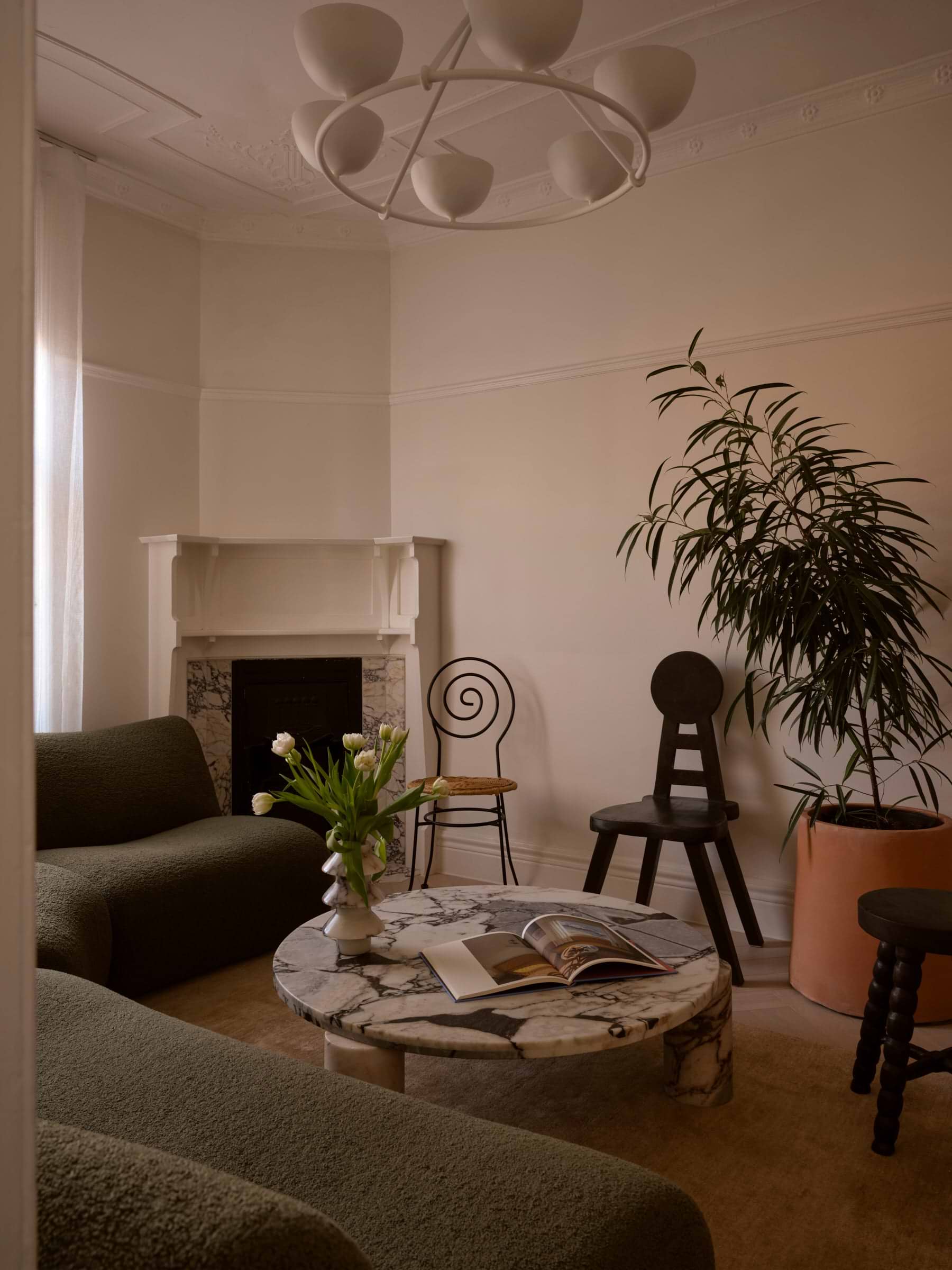
| Featuring our Bhakti Abrash Wool Blend Rug in Honey
| Photography by Jacqui Turk
Tell us a little about yourself and Folk Studio
Folk Studio was born from a desire to create a studio that was really focused on people.
At Folk, we believe our homes should support our physical and mental wellbeing. That sits at the heart of everything we do. We’re interested in how people actually live, what makes them feel comfortable and connected, and how design can quietly improve their everyday lives. Over time, that philosophy has only become stronger.
Creating beautiful spaces is important, but creating spaces that feel genuinely good to live in is what matters most to us.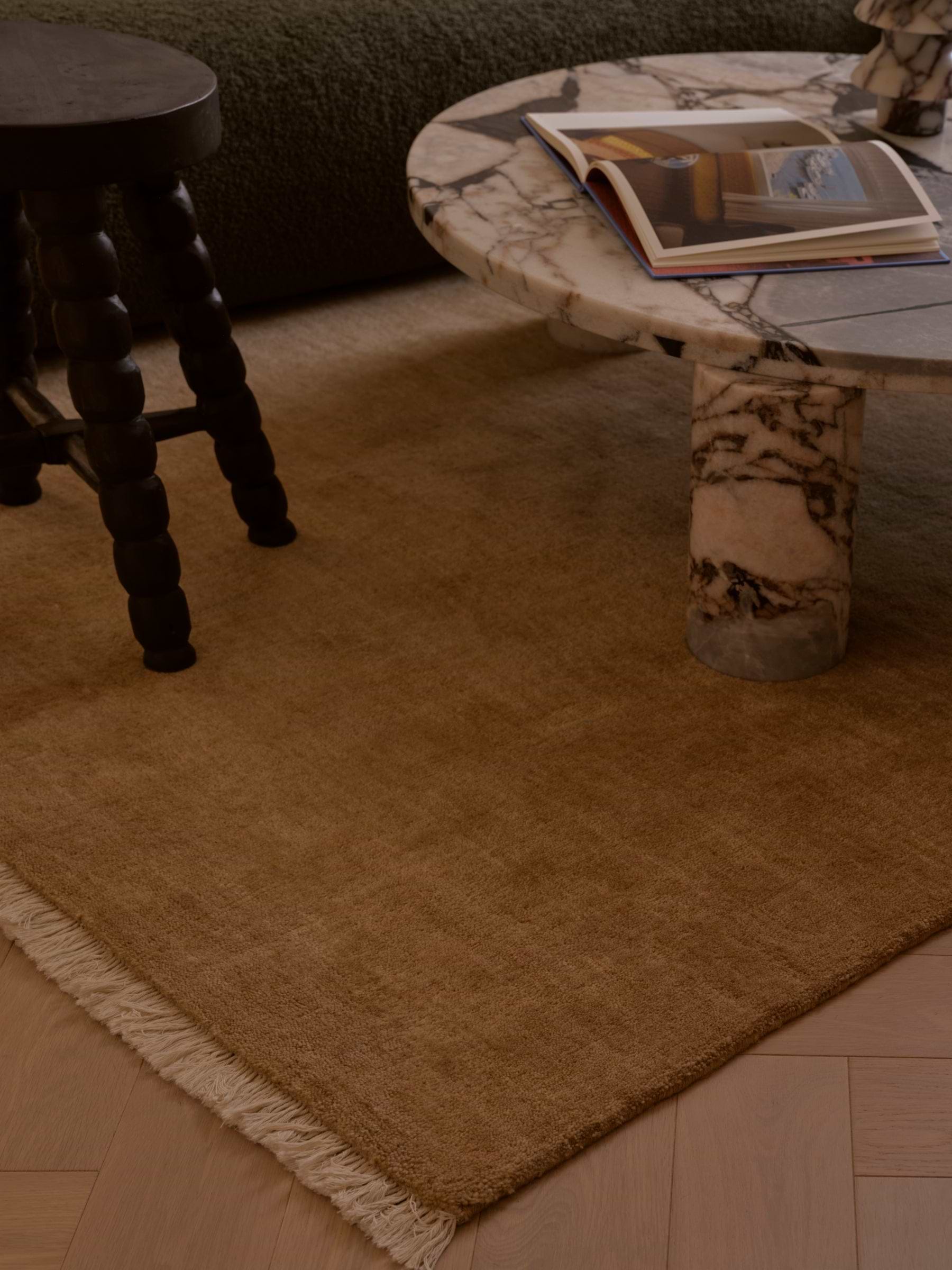
| Featuring our Bhakti Abrash Wool Blend Rug in Honey
Can you tell us about this project and the vision behind the space?
It’s an Art Deco home with so much original character, and from the beginning we wanted to work with that rather than against it.
The intention was never to strip it back and make it feel new. We wanted to celebrate what was already there, specifically the beautiful architectural details, proportions and sense of history, and then introduce materials, furniture and finishes that felt natural alongside it.
We wanted the home to feel calm, warm and layered, but most importantly, like a place that had evolved over time rather than been designed all at once.
How would you describe your interior design style?
I find it difficult to define our style by a particular aesthetic because every home and every client is so different. For me, it really comes back to the way our clients live and how we can improve that for them each day.
We design around people first. How they move through a space, how they gather, where they retreat, what they touch and what they see. The aesthetic then grows from those decisions. I think that’s what creates interiors that feel personal rather than prescriptive.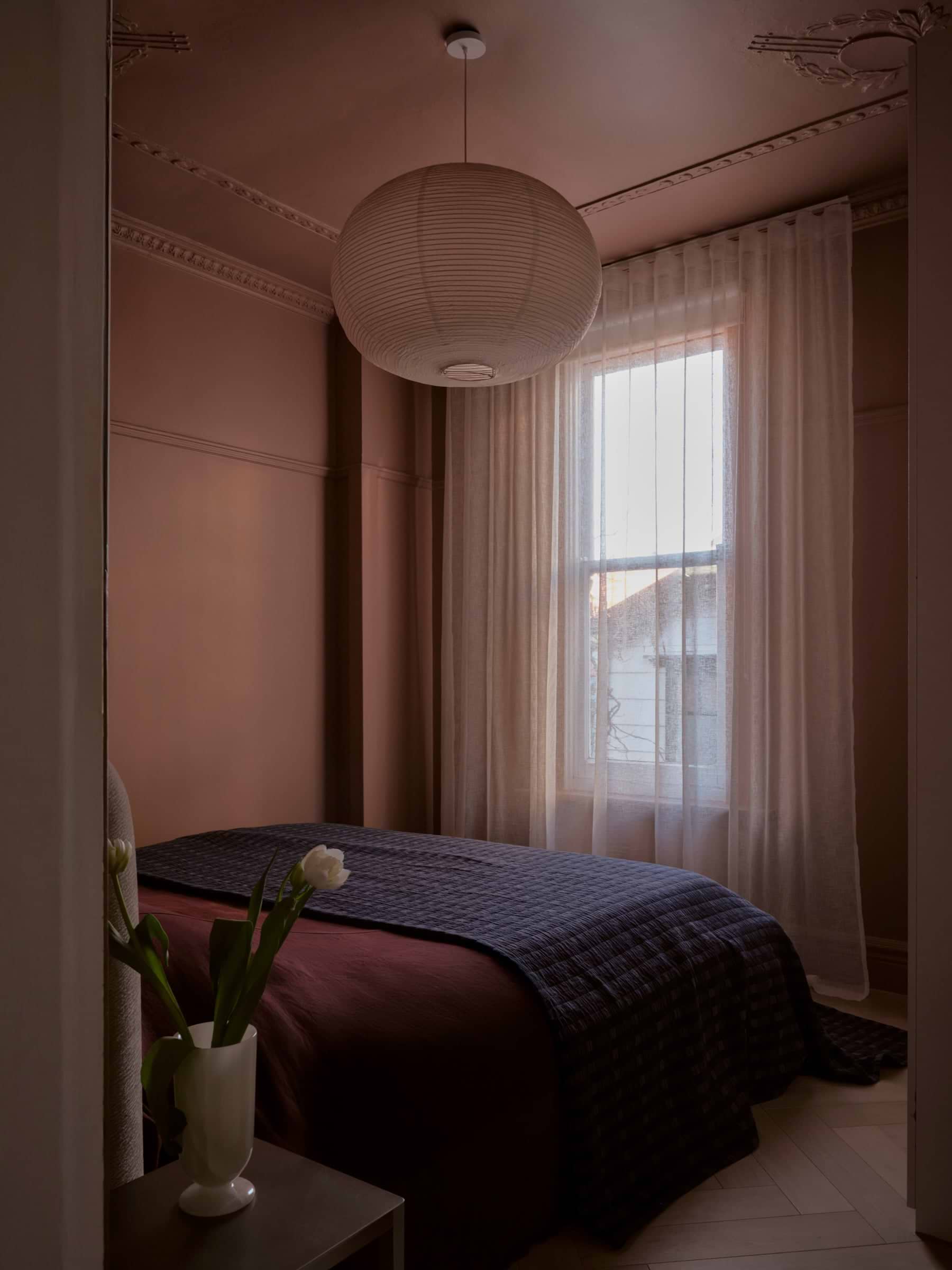
Where do you usually begin when starting a new project?
Do you find inspiration in the architecture, surrounding landscape, materials or the way the space will be lived in?
We always begin with the people and the architecture. Understanding how someone lives is just as important to us as understanding the bones of the home.
From there, we look at everything around it, the natural light, the landscape, the existing materials and architectural details. We try to let the home tell us what it wants to be rather than imposing a particular look onto it.
Your interiors feel warm, layered and timeless.
How do you create spaces that feel both refined and inviting?
I think it comes down to balance.
We love beautiful things, but we never want a home to feel too precious.
We layer refined pieces with things that have a sense of age, softness and imperfection. Natural materials, tactile textiles, artwork, vintage pieces and objects that have meaning all help to soften a space. It’s often those less perfect elements that make a home feel welcoming.
 What draws you to materials like timber, stone, linen and wool, and how do they influence the feeling of a space?
There’s something inherently calming about natural materials. They have depth, variation and an honesty that you just don’t get with something manufactured.
Timber brings warmth, stone gives a sense of permanence, and linen and wool introduce softness and tactility. Together, they create a feeling that a space is grounded and connected to nature. They also age beautifully, which is important to us when we’re thinking about creating homes that will feel relevant for many years to come.
Texture is such a defining element in your designs.
What role do rugs, textiles and natural fibres play in bringing warmth and character into a room?
Texture is one of the ways we create a sense of comfort without having to rely on colour or decoration. Rugs in particular can completely change how a room feels, they soften the architecture, create intimacy and help define how a space is used.
Natural fibres also bring a beautiful imperfection and variation. They make a room feel less rigid and more relaxed, which is something we’re always trying to achieve.
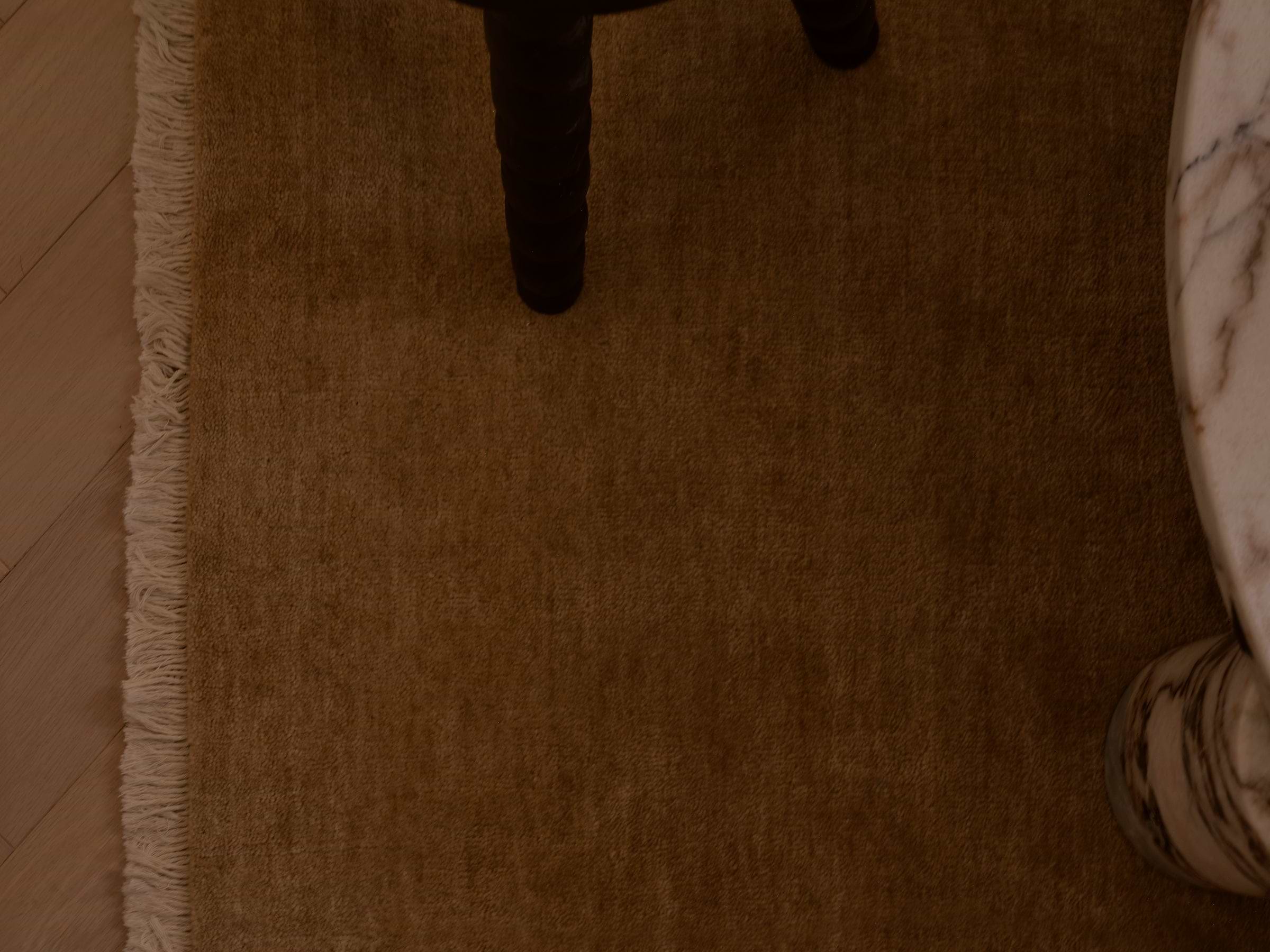
| Featuring our Bhakti Abrash Wool Blend Rug in Honey
What do you love most about the rugs from Rugs from Good you selected?
I love that they feel considered but not overly perfect. The natural tones and textures work beautifully with the existing character of the home and add another layer without competing with the architecture.
For me, a good rug should almost feel like it has always belonged in the space. These have that quality, bringing warmth and softness while still allowing everything else in the room to breathe.
Are there any small design details you believe make the biggest impact in creating a home that feels personal and lived-in?
It’s often the things that aren’t immediately obvious. The way a chair is positioned to catch the morning light, having a lamp exactly where you need it in the evening, books and objects that actually mean something to you, or choosing materials that feel beautiful when you touch them.
I think personal homes are created through these small, everyday decisions. It’s less about filling a space and more about making sure everything has a reason to be there.
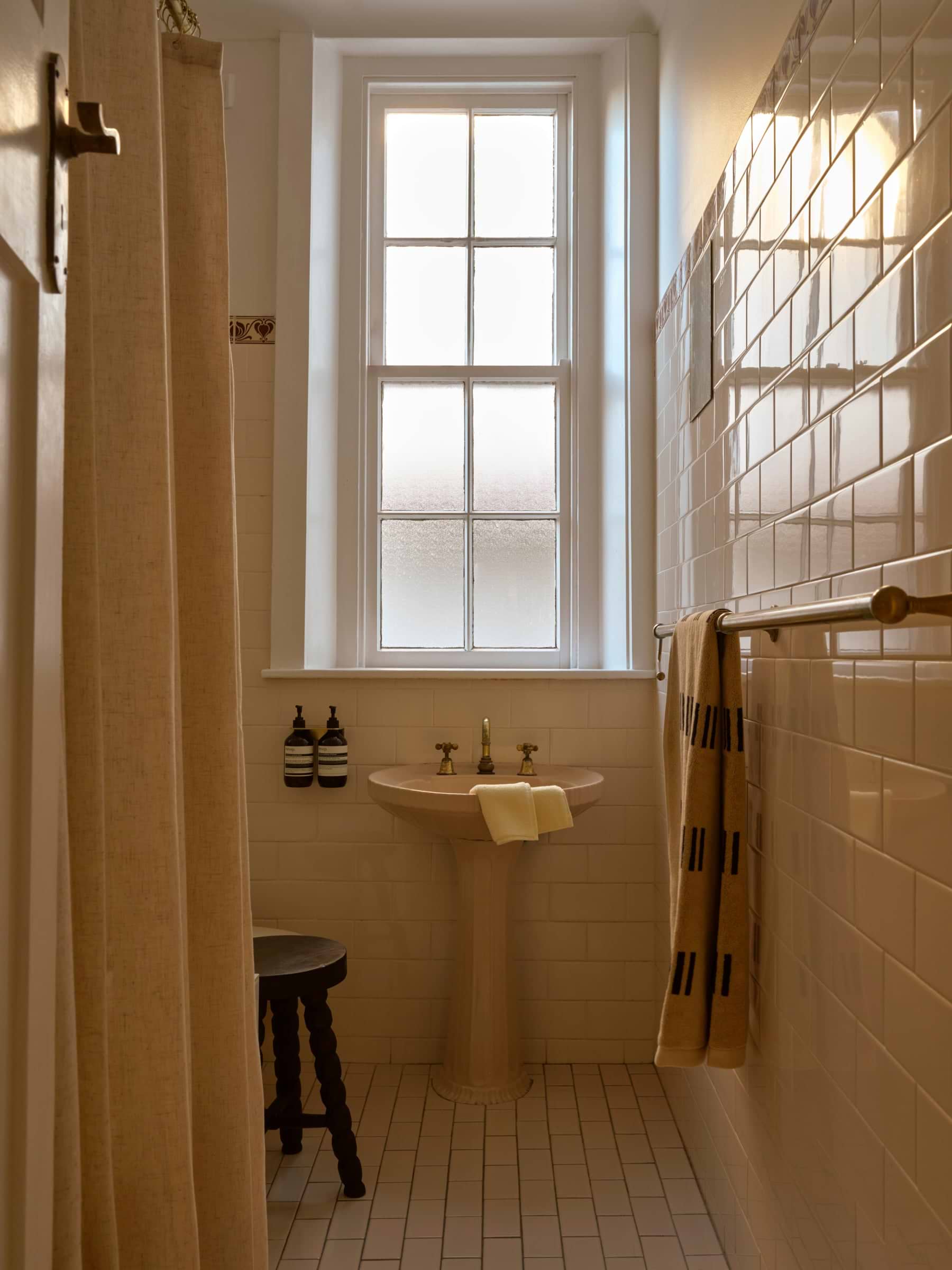
Looking back on this project, is there a particular space or design moment that feels especially special to you?
We were very conscious of preserving and celebrating those Art Deco elements rather than replacing them. There’s something really special about being able to live with that history while also making the home work for how we live today.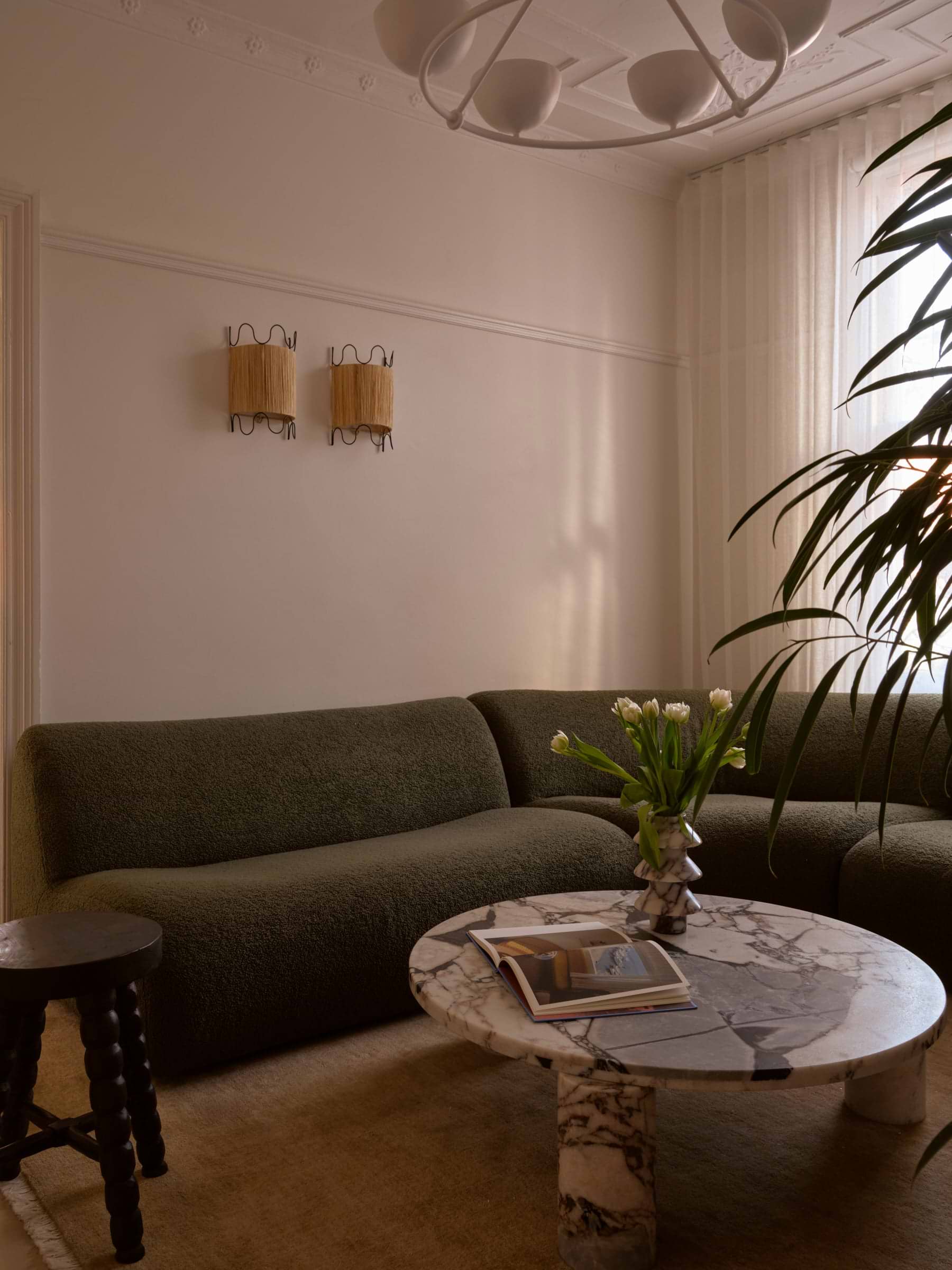
| Featuring our Bhakti Abrash Wool Blend Rug in Honey
What advice would you give someone wanting to create a home that feels authentic, timeless and connected to their lifestyle?
Don’t start with what’s trending. Start with how you want to live and how you want your home to make you feel.
Take your time, invest in things you genuinely love and don’t be afraid of mixing old with new. The most beautiful homes, in my opinion, are the ones that feel like they’ve evolved naturally over time. They don’t need to be perfect, they just need to feel like you.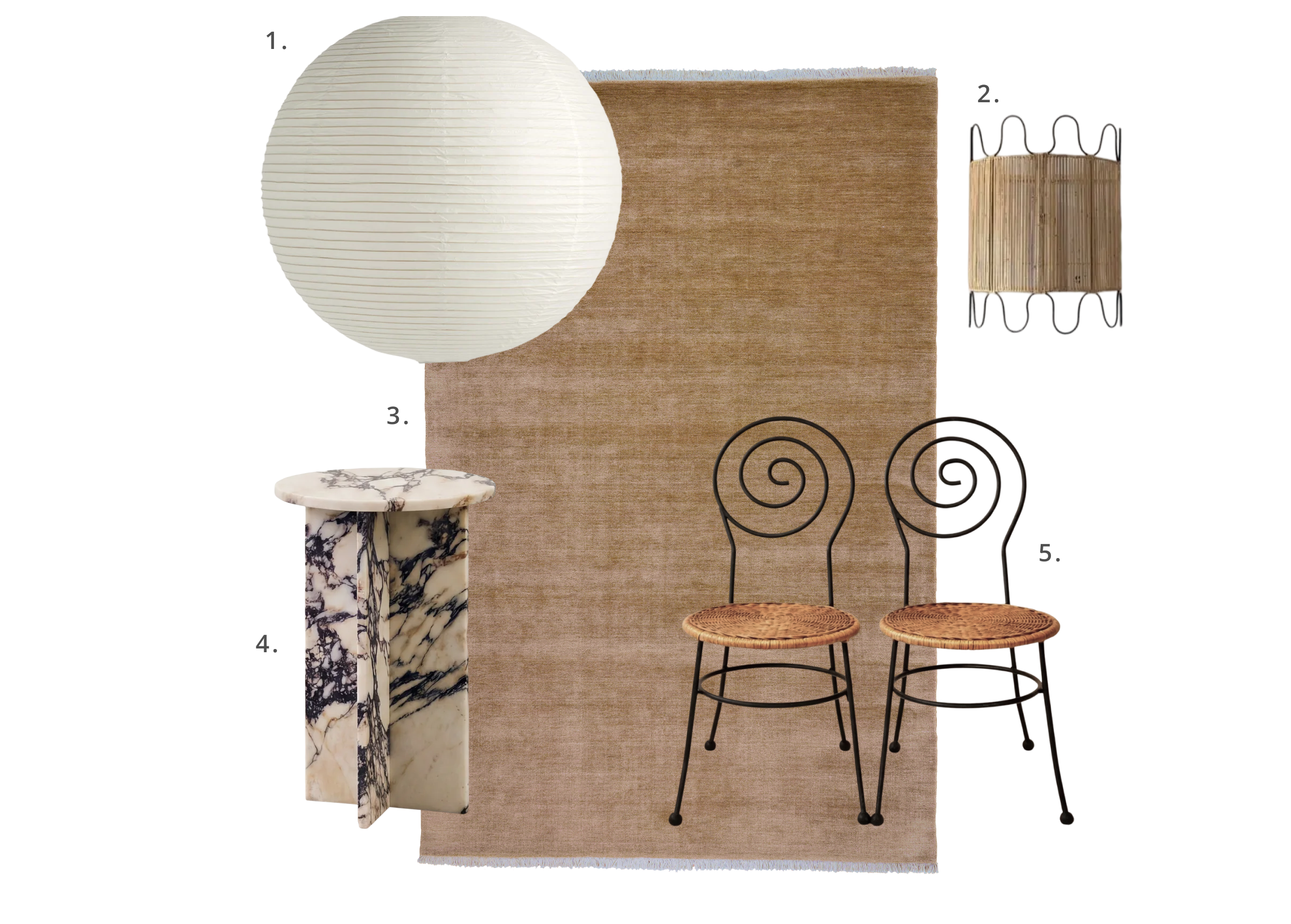
3. Bhakti Wool Rug in Honey by Rugs for Good. 4. Franca Marble Side Table by Fleur Studios. 5. Macaroni Chair by Alba Atelier
To discover more of Folk Studio’s considered approach to design, follow along on Instagram and visit their website to explore their work and learn more about the studio.


