


As more people embrace mindful living, sustainability is becoming an increasingly important consideration when furnishing the home. From furniture and décor to textiles and flooring, homeowners are seeking products that not only look beautiful but are made with the environment in mind.
Rugs are one of the most impactful pieces in any space, influencing both the look and feel of a room. But when shopping sustainably, many people ask the same question:
what are sustainable rugs made of?
The answer often lies in the materials. Sustainable rugs are typically crafted from natural, renewable fibres that offer durability, longevity and a lower environmental impact than many synthetic alternatives. Among the most popular eco-friendly rug materials are wool, jute and cotton.
Let’s explore what makes these fibres sustainable and how to choose the right natural rug for your home.
What Makes a Rug Sustainable?
A sustainable rug is typically made from materials that have a lower environmental impact throughout their lifecycle. This can include renewable natural fibres, recycled materials, ethical production methods, and long-lasting construction.
When assessing whether a rug is sustainable, consider factors such as:
The source of the raw materials
Whether the materials are renewable or recycled
The manufacturing process
The rug's durability and lifespan
Its ability to biodegrade or be recycled at the end of its life
Importantly, sustainability is not just about what a rug is made from.
A well-made rug that lasts for decades can often be a more sustainable choice than a cheaper alternative that needs replacing every few years.
Wool: One of Nature's Most Sustainable Fibres
Wool has long been considered one of the most sustainable rug materials available.
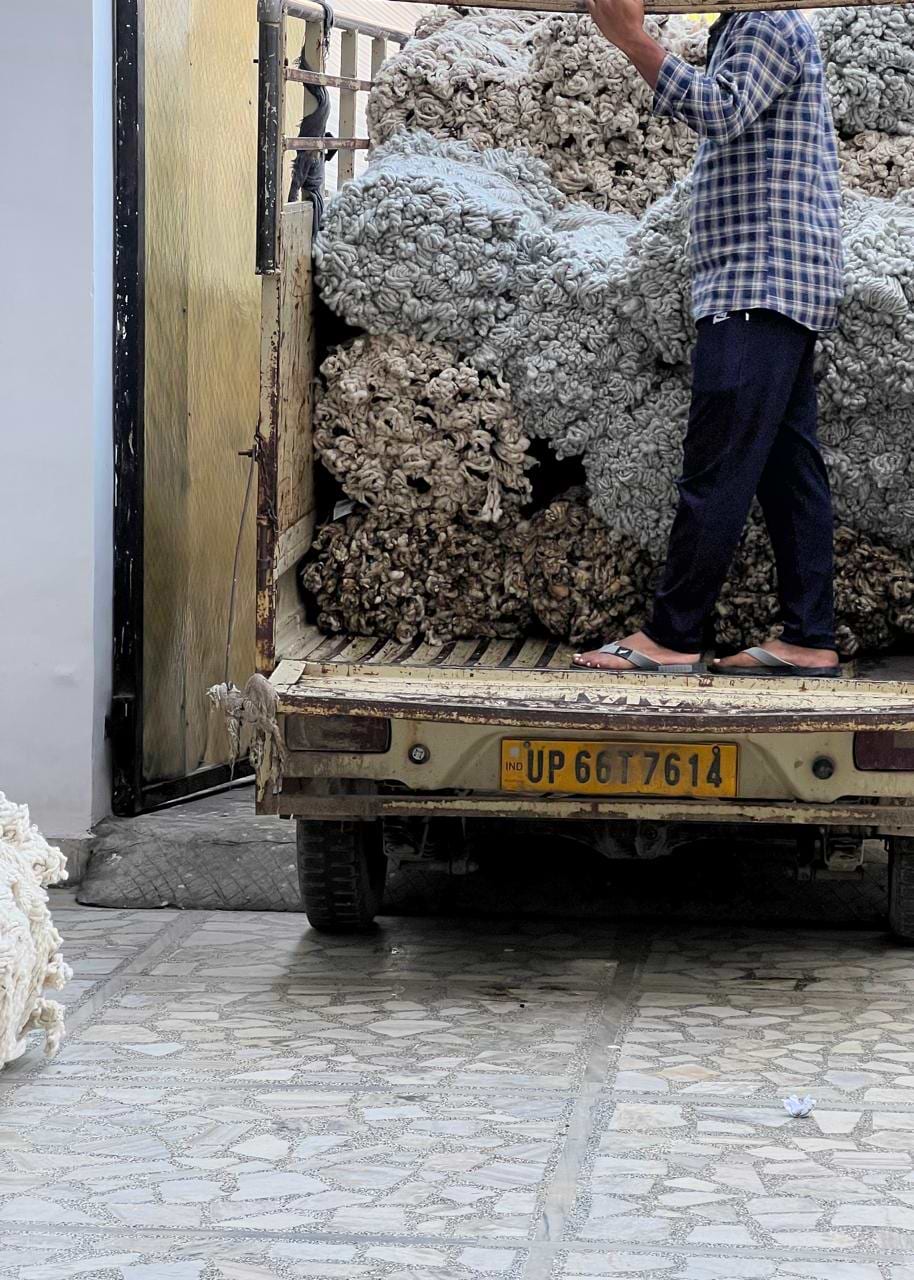
As a naturally renewable resource, wool is shorn from sheep annually without harming the animal. Unlike synthetic fibres derived from petroleum, wool regenerates naturally and requires minimal processing.
Why wool is an eco-friendly rug material?
Renewable and naturally replenishes
Biodegradable at the end of its life
Exceptionally durable
Naturally stain-resistant
Excellent insulation properties
High-quality wool rugs can last for decades when properly cared for, making them a sustainable investment for busy households.
Their durability means less waste and fewer replacements over time.
If you're looking for a timeless option, explore our collection of wool rugs designed to bring warmth, texture, and longevity to your home.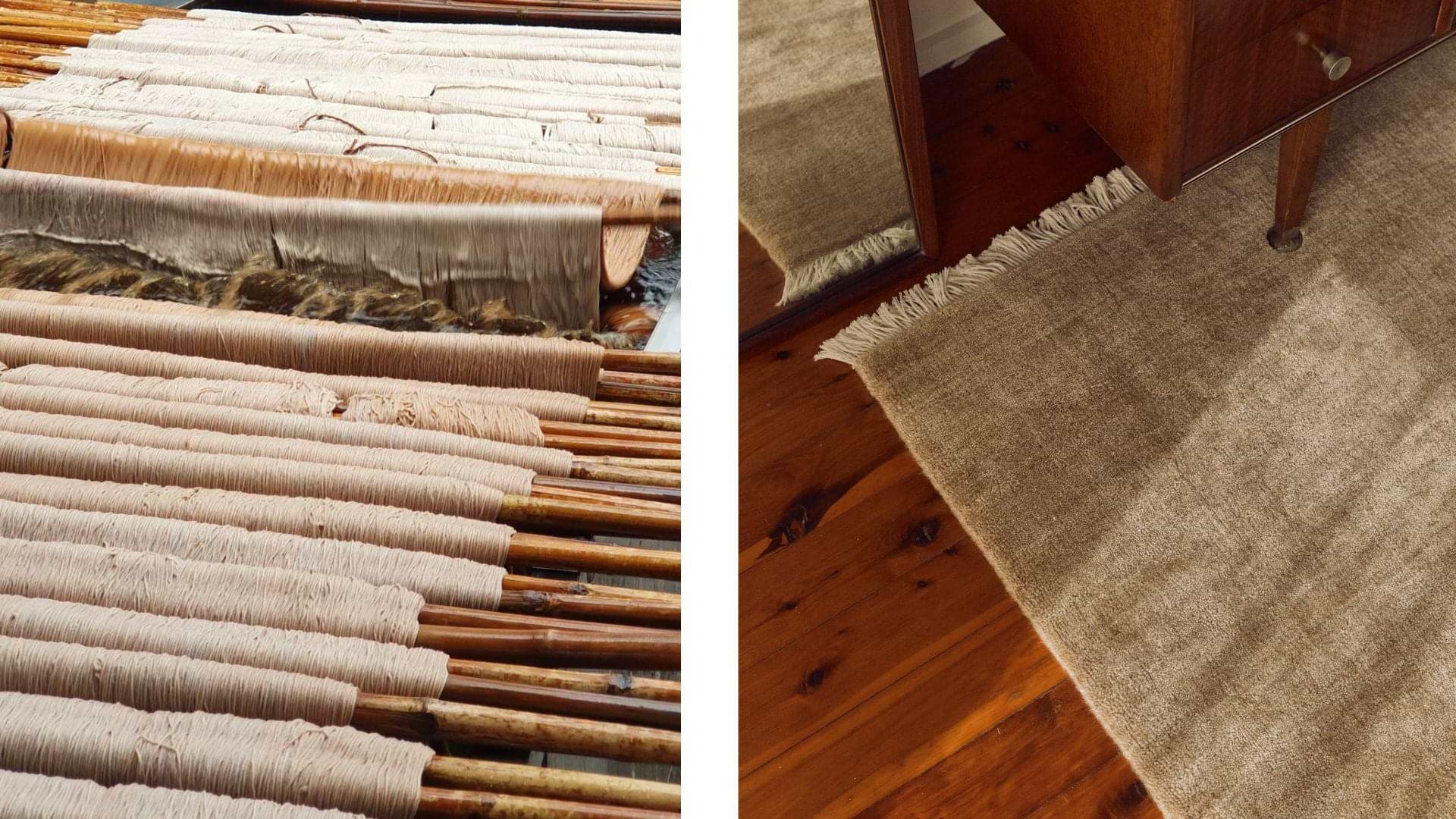
| Featuring our Bhakti Abrash Wool Blend Rug in Honey
Jute Rugs: Fast-Growing and Renewable
Jute is one of the most popular natural fibres used in sustainable rugs, and for good reason.
Harvested from the stalks of the jute plant, this material grows quickly and requires relatively little water compared to many conventional crops. It is also biodegradable, making it an environmentally responsible choice.
Benefits of jute rugs
Rapidly renewable resource
Biodegradable and compostable
Minimal irrigation requirements
Beautiful organic texture
Suitable for a range of interior styles
Jute rugs are particularly popular in coastal and contemporary homes thanks to their natural texture and earthy appearance.
For homeowners seeking natural fibre rugs with relaxed appeal, jute offers an excellent balance of sustainability and style.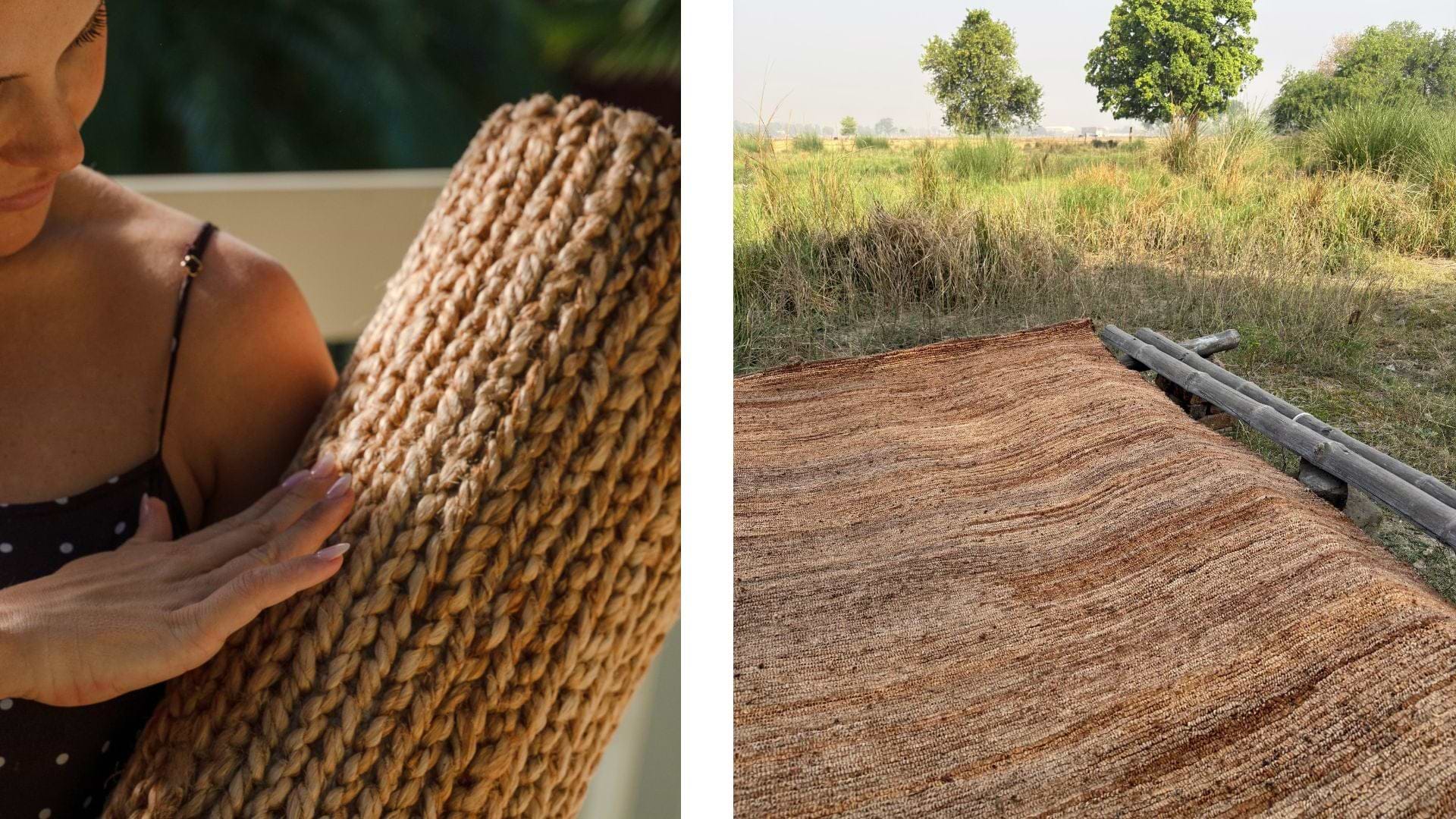
| Featuring our Avoca Jute Doormat in Natural
Cotton Rugs: Soft, Versatile and Natural
Cotton is another natural fibre commonly used in eco-friendly rugs.
While conventional cotton farming can be resource-intensive, responsibly sourced organic cotton and recycled cotton offer more sustainable alternatives.
Cotton rugs are often lightweight, soft underfoot, and easy to move, making them ideal for casual living spaces.
Why choose cotton rugs?
Natural and biodegradable fibre
Soft texture
Lightweight and versatile
Available in a wide range of styles
Can incorporate recycled materials
Cotton rugs work particularly well in bedrooms, children's spaces, and low-traffic areas where comfort is a priority.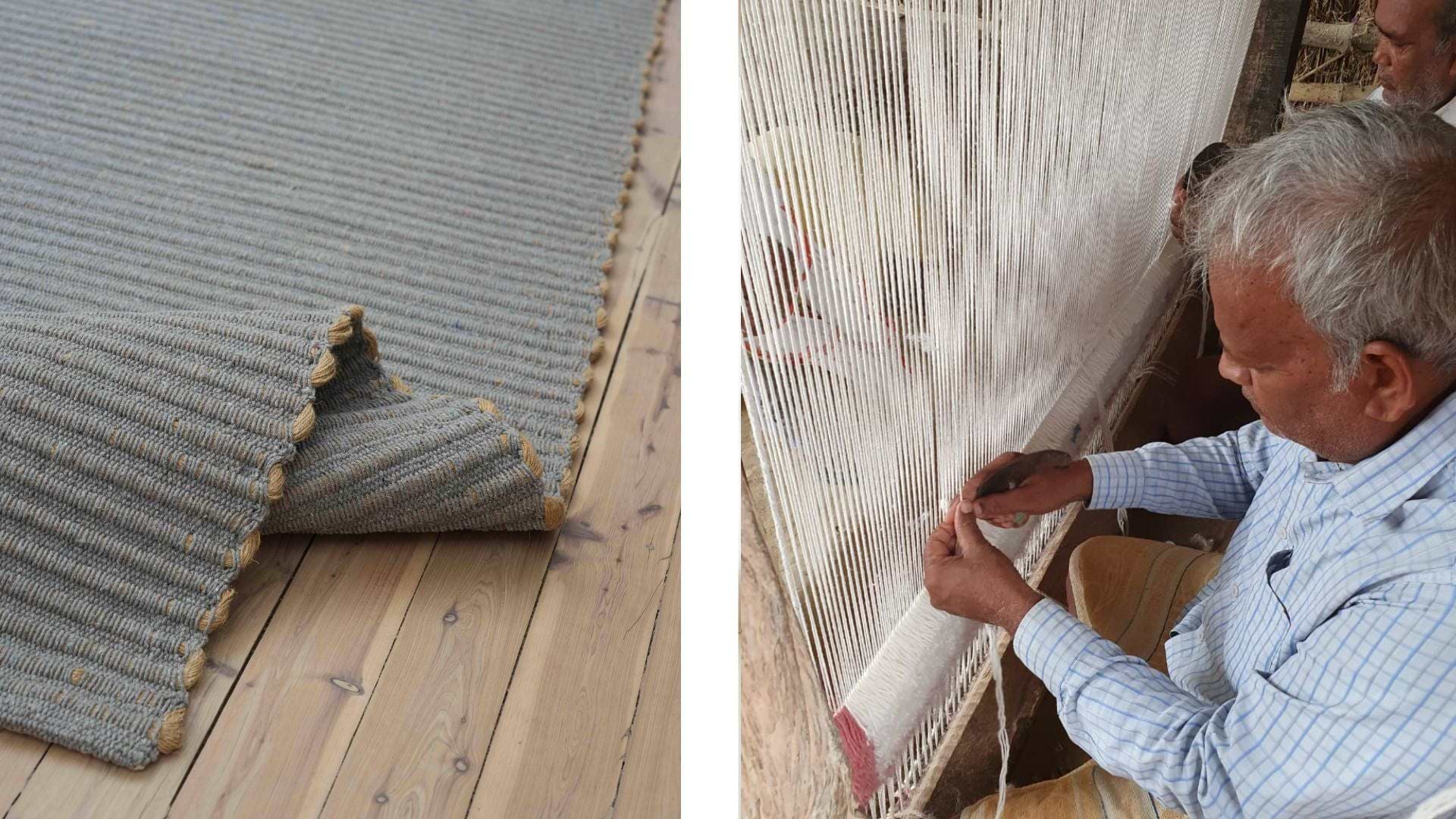
| Featuring our Mendocino in Dusty Blue
Natural Fibre Rugs vs Synthetic Rugs
When comparing sustainable rug materials to conventional synthetic alternatives, the differences become clear.
Natural fibre rugs are typically made from renewable resources and may biodegrade at the end of their lifecycle. Synthetic rugs, on the other hand, are often produced using petroleum-based materials and can remain in landfill for many years.
Natural fibre rug advantages
Renewable materials
Biodegradable options
Lower environmental impact
Unique organic textures
Often free from harsh chemicals
Synthetic rug advantages
Often lower upfront cost
Stain-resistant options available
Wide variety of styles
For many environmentally conscious homeowners, the longevity, beauty, and reduced environmental footprint of natural materials make them a preferred choice.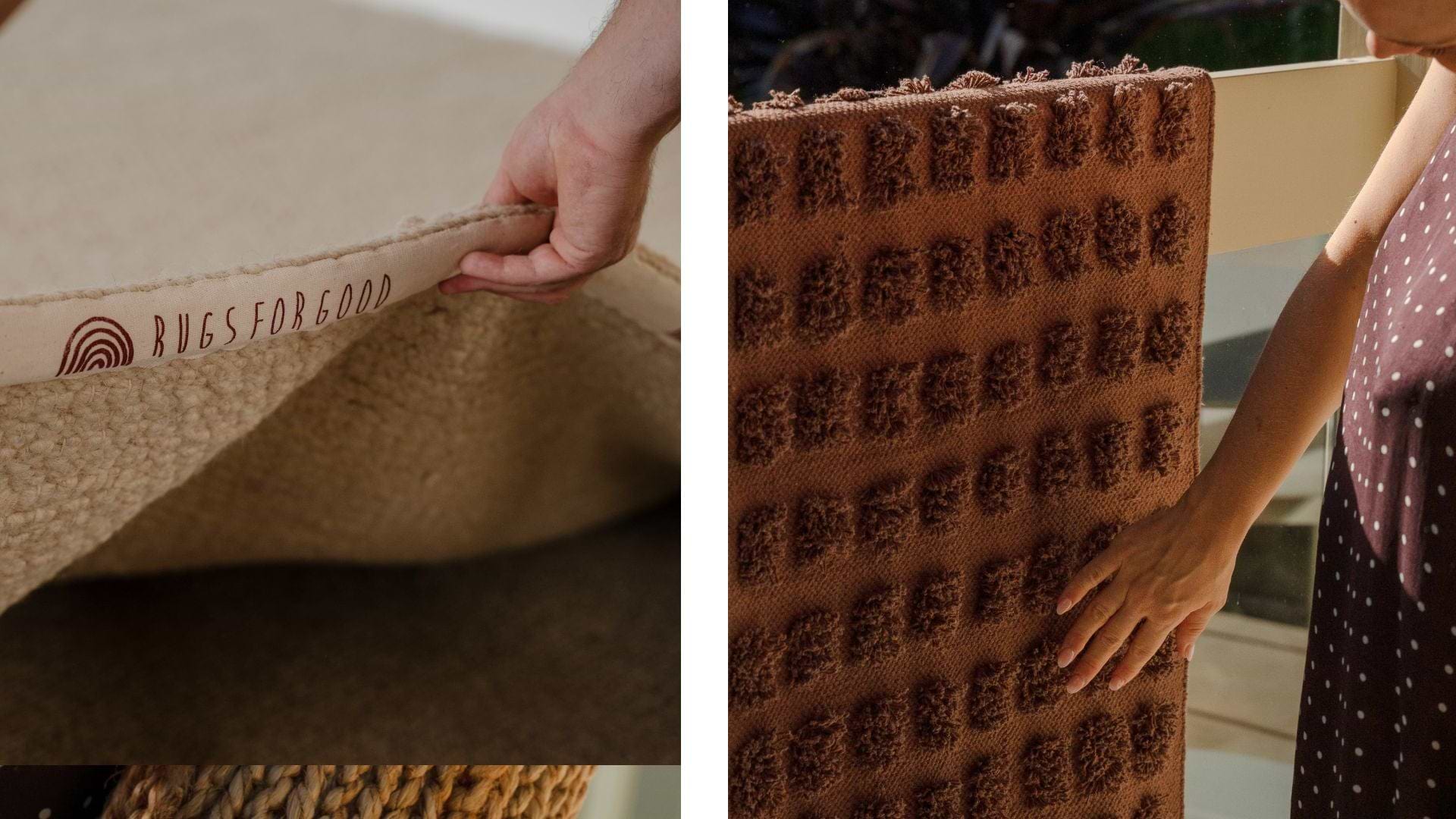
| Featuring our Newport Pebbly Wool in Beige
& Merry Cotton Bathmat in Cacao
How to Choose the Best Sustainable Rug for Your Home
The most sustainable rug for your home depends on your lifestyle, design preferences, and the needs of your space.
For high-traffic areas-
Consider wool or natural fibre wool & jute blended rugs for their durability and resilience.
For relaxed living spaces-
Jute, Cotton or Flat Weave rugs provide beautiful texture and natural character.
For bedrooms and children's rooms-
Natural Fibre Wool rugs offer softness and comfort underfoot.
For environmentally conscious buyers-
Look for natural fibre rugs made from renewable, responsibly sourced materials and constructed with longevity in mind.
Choosing the right rug size is equally important.
A properly sized rug can help anchor a room and ensure you enjoy your investment for years to come. Whether you're searching for large rugs, medium rugs, round rugs, or small rugs, selecting the correct dimensions can maximize both function and style.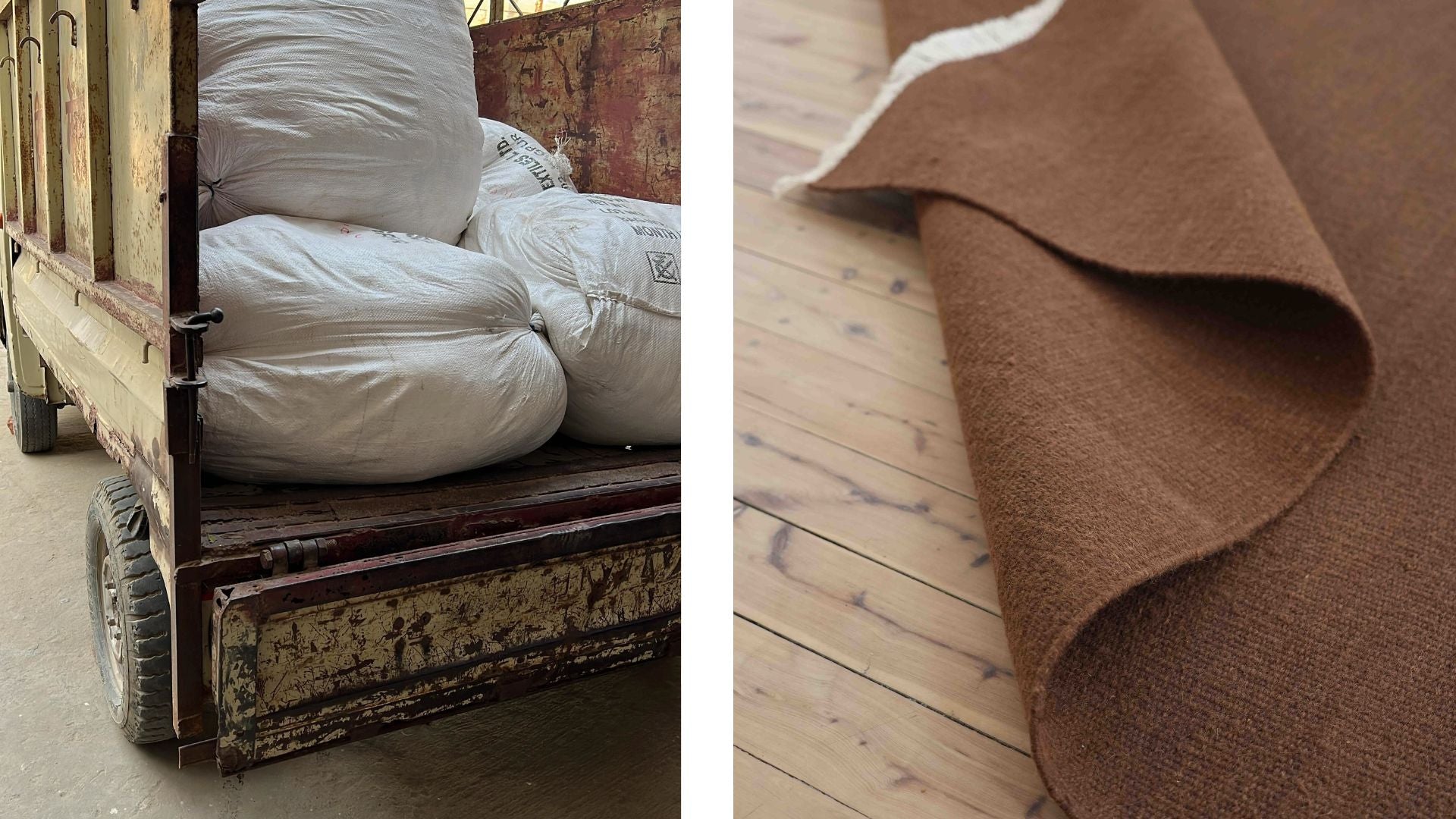
| Featuring our Terrain Reversible Wool Rug in Bark
Are Washable Rugs Sustainable?
Washable rugs have become increasingly popular thanks to their convenience, particularly for families with children and pets. However, it's important to understand that many washable rugs are made from synthetic materials such as polyester, polypropylene or other plastic-based fibres.
While these materials can offer practical benefits, they are generally not considered as environmentally friendly as natural fibres like wool, jute and cotton. Synthetic fibres are derived from non-renewable resources, are not biodegradable, and can contribute to microplastic pollution over time through washing and everyday wear.
Many washable rugs are designed with shorter lifespans than traditionally crafted natural fibre rugs. From a sustainability perspective, a rug that lasts for decades is often a more responsible choice than one that requires frequent replacement.
For those seeking a more sustainable home, natural fibre rugs remain one of the best options. Their durability, renewable origins and timeless appeal make them a long-lasting investment that can be enjoyed for many years.
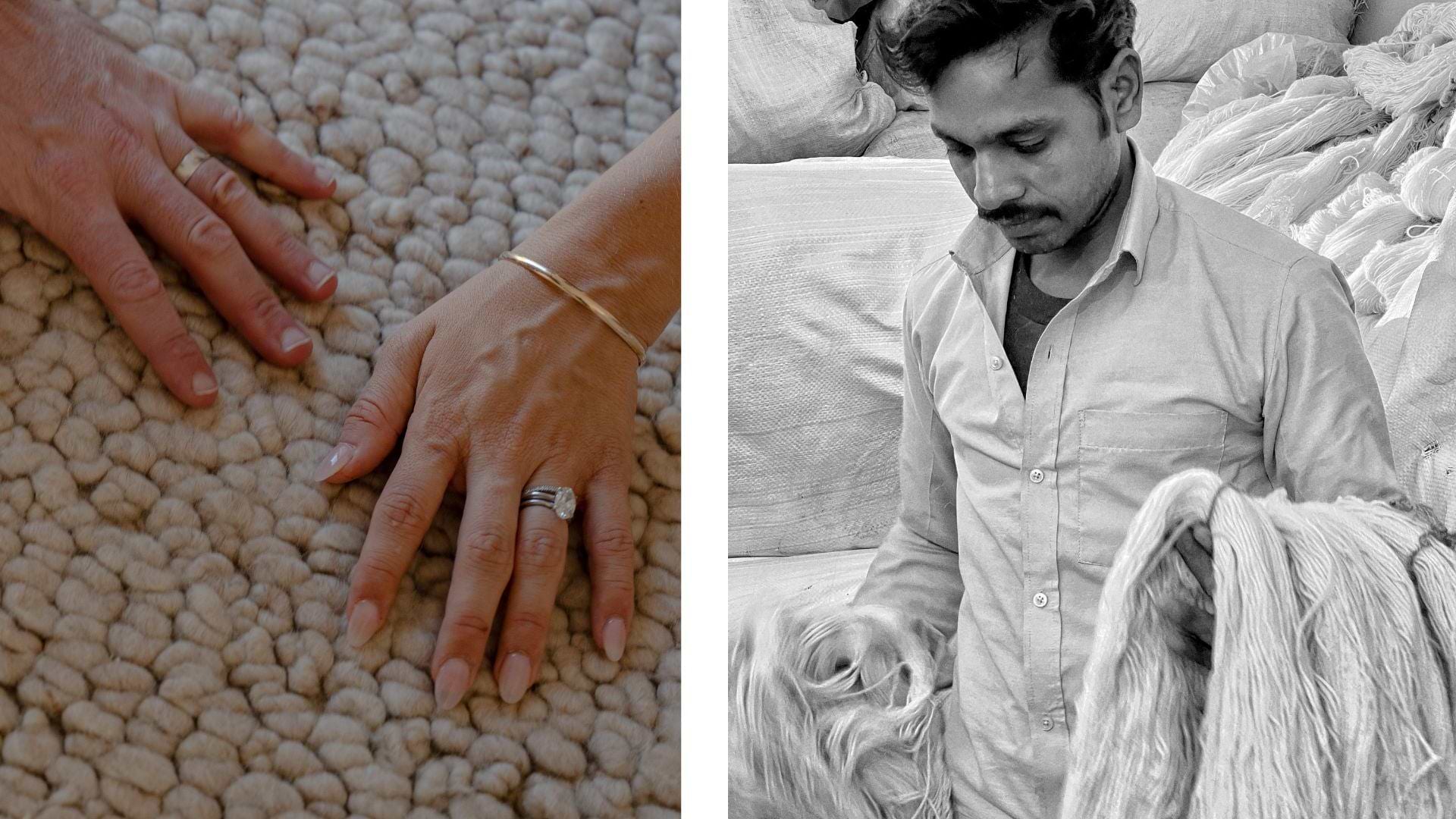
| Featuring our Newport Pebbly Wool in Beige
So, what are sustainable rugs made of?
Some of the most environmentally friendly rugs are crafted from natural fibres such as wool, jute and cotton. These materials are renewable, durable and capable of bringing lasting beauty to your home while supporting a more conscious way of living.
While no material is completely without environmental impact, choosing a high-quality rug made from natural fibres is a meaningful step towards creating a more sustainable home.
By investing in timeless designs and durable craftsmanship, you're choosing a rug that can be enjoyed for years to come - benefiting both your home and the planet.
Explore our collection of natural rugs and sustainably crafted designs to find a rug that complements your space while reflecting your values.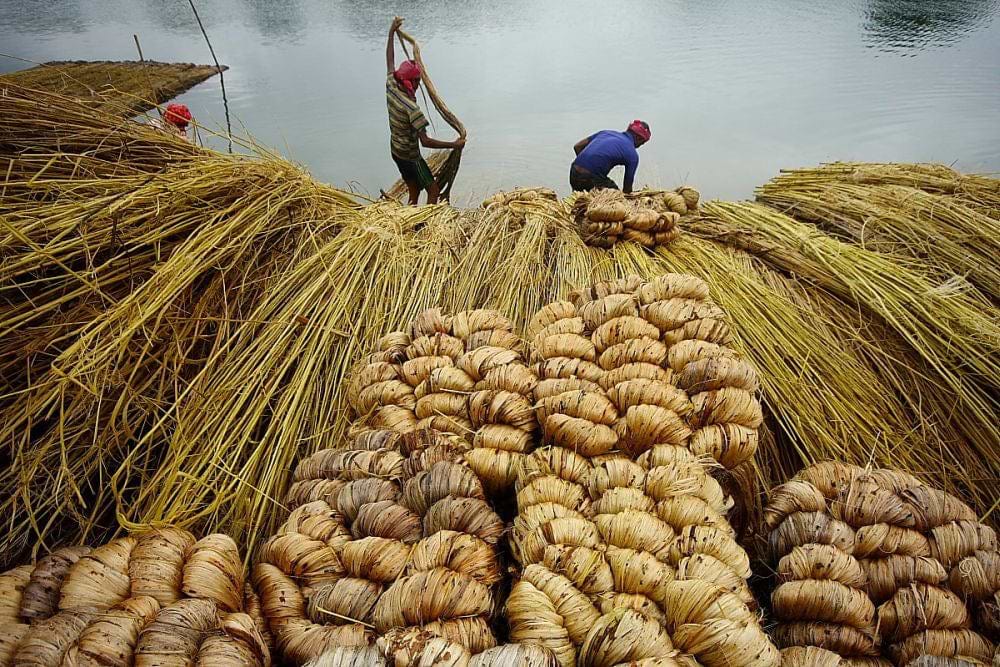
Shop our Natural Fibre Rugs
Read more on the Blog -
How to Clean Wool Rugs Without Damaging the Fibre
How to Choose the Right Size Rug for Your Living Room


