


There are some things you can sweep under the rug..
The dust from yesterday, the crumbs from breakfast, the evidence of a particularly chaotic morning.
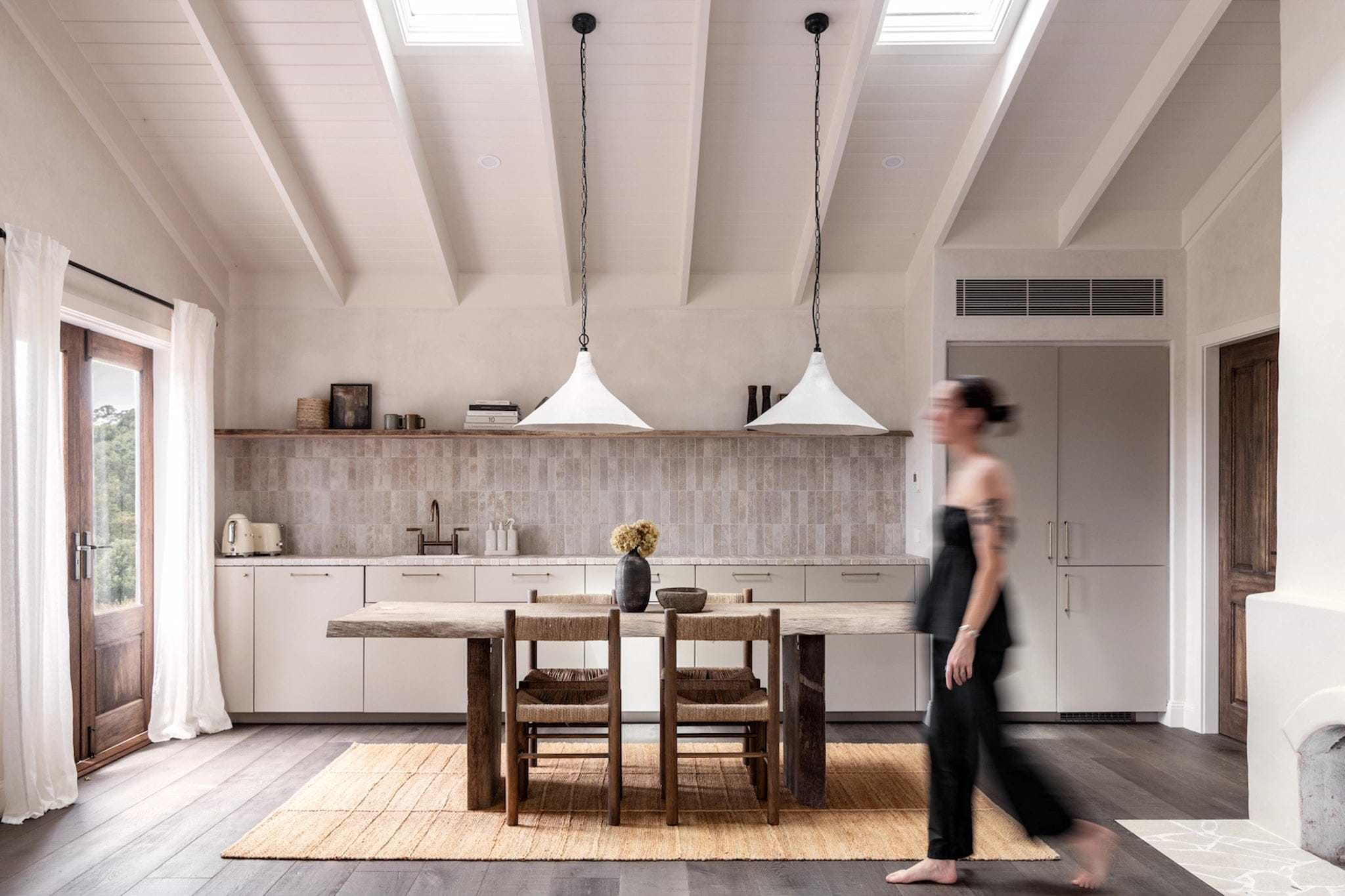
But the truth about how your rug was made? That's something we believe should never be hidden.
At Rugs for Good, we've always believed that a beautiful home shouldn't come at someone else's expense.
Yet in an industry filled with words like sustainable, conscious, responsibly sourced and ethically made, it can be surprisingly difficult to know what those promises actually mean.
And that's the problem with greenwashing.
When everyone claims to be doing good, how do you know who's genuinely putting in the work?
We believe the answer starts with transparency. Not just telling you our rugs are ethical, but helping you understand what ethical production looks like, what independent certifications actually verify, and what questions every consumer deserves to have answered.
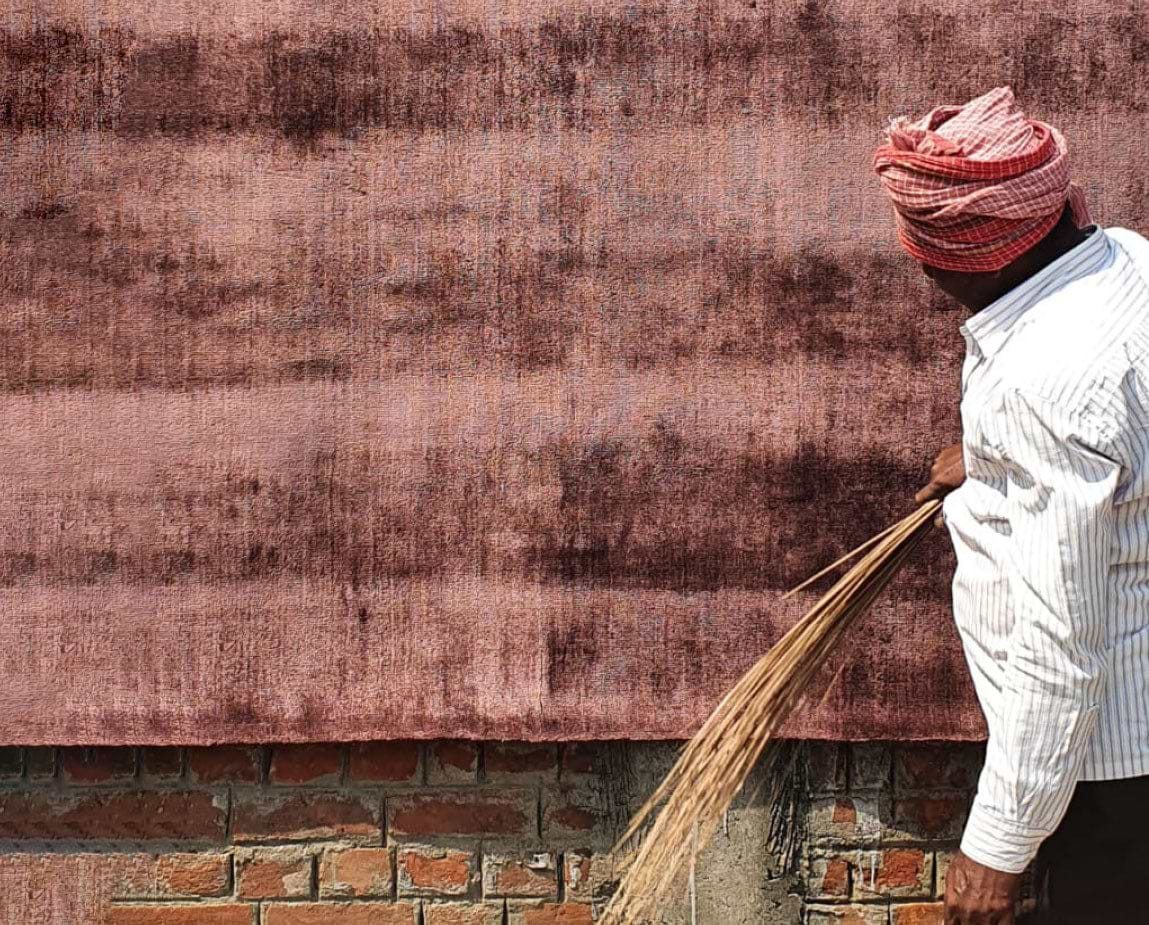
First, what actually makes a rug ethical?
An ethical rug is about more than its appearance or the fibres it's made from.
It's about the people, materials and processes behind the finished product.
Ethical rug production prioritises fair wages, safe working conditions and respect for the skilled artisans who make each piece. It means understanding where materials come from, how products are manufactured, and whether the people involved are treated fairly.
Many handmade rugs originate in traditional weaving communities, where techniques have been passed down through generations. These skills deserve to be preserved, but so do the livelihoods and wellbeing of the people practising them.
The materials matter, too. Natural fibres such as wool, jute and cotton can offer renewable alternatives to petroleum-based synthetics, although their environmental impact still depends on how they are sourced and processed.
And beyond production, ethical businesses may contribute to the communities they work with through education, healthcare and other social initiatives.
No single feature makes a rug ethical. It's the combination of responsible materials, fair labour practices, supply-chain transparency and accountability that matters.

Greenwashing: when good intentions become good marketing
The language of sustainability has become part of everyday shopping.
A rug might be described as eco-friendly because it's made from a natural fibre. Another might be marketed as artisan-made because it's handwoven. A third might carry a vague promise of being responsibly sourced.
But what do those descriptions actually tell us?
A natural fibre doesn't automatically guarantee fair working conditions.
A handmade rug doesn't automatically mean the maker was paid fairly.
And a brand describing itself as ethical doesn't necessarily mean its claims have been independently checked.
This is where greenwashing becomes a concern.
Greenwashing happens when environmental claims are false, misleading, exaggerated or presented without enough evidence. Sometimes it's an outright claim that can't be substantiated. Other times, it's about highlighting one positive attribute while leaving out important information.
For consumers, the challenge is learning to distinguish between a brand's values and the evidence behind them.
Because saying you care is one thing. Demonstrating how you care is another.
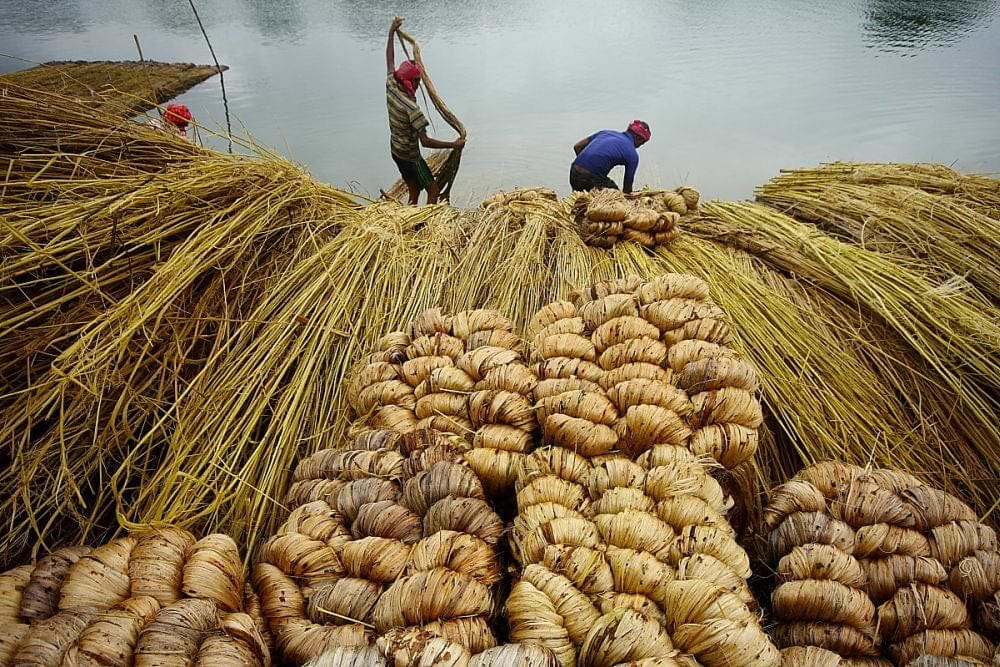
Who made your rug, and under what conditions?
Behind every handmade rug is a person.
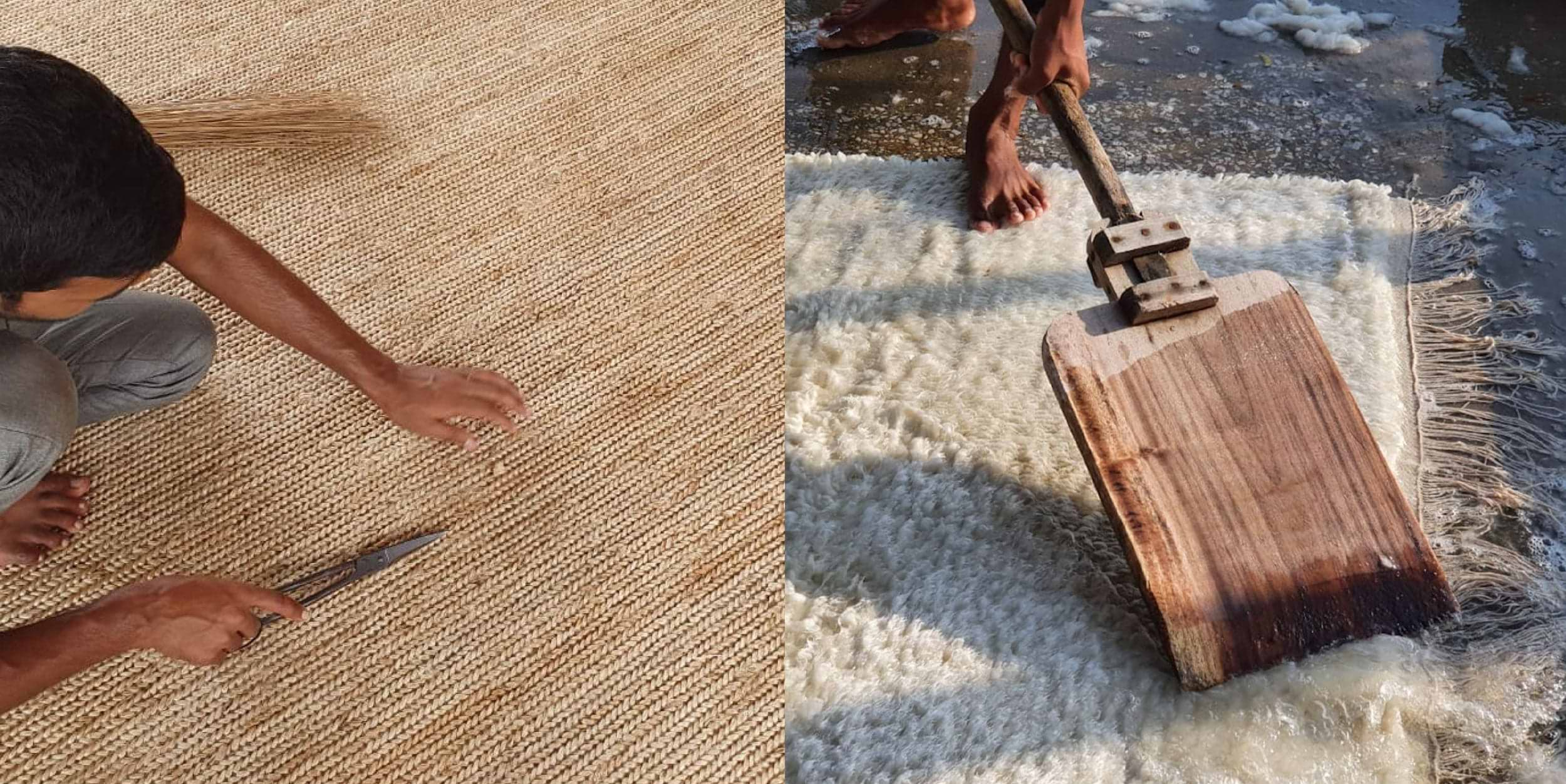
In India, rug weaving is a centuries-old craft, practised by skilled artisans who spend hours, days and sometimes months bringing a design to life.
From preparing and dyeing fibres to weaving, washing, trimming and finishing, the process involves extraordinary skill and attention to detail.
But the beauty of handmade craftsmanship should never distract from the responsibility to protect the people doing the work.
The global handmade rug industry has historically faced serious labour challenges, including child labour, forced labour and unsafe working conditions.
This is why traceability matters.
When choosing a rug brand, it's worth asking:
Can the brand tell you where its rugs are made?
Does it disclose information about its manufacturing partners?
Are there standards in place to protect workers?
Is there independent monitoring of the supply chain?
Does the brand support the long-term wellbeing of its artisan communities?
These questions aren't about expecting perfection. They're about expecting accountability.
What does ethical certification actually mean?
One of the most meaningful ways a brand can demonstrate its commitment to ethical production is through independent verification.
Unlike a self-declared marketing claim, a recognised certification or independently monitored programme can provide evidence that specific standards have been assessed.
But here's something important to understand: not all certifications measure the same things.
Some focus on labour practices. Others assess harmful substances, organic materials or environmental processing standards.
Knowing the difference helps you understand exactly what a brand is promising.

GoodWeave International: protecting the people behind the product
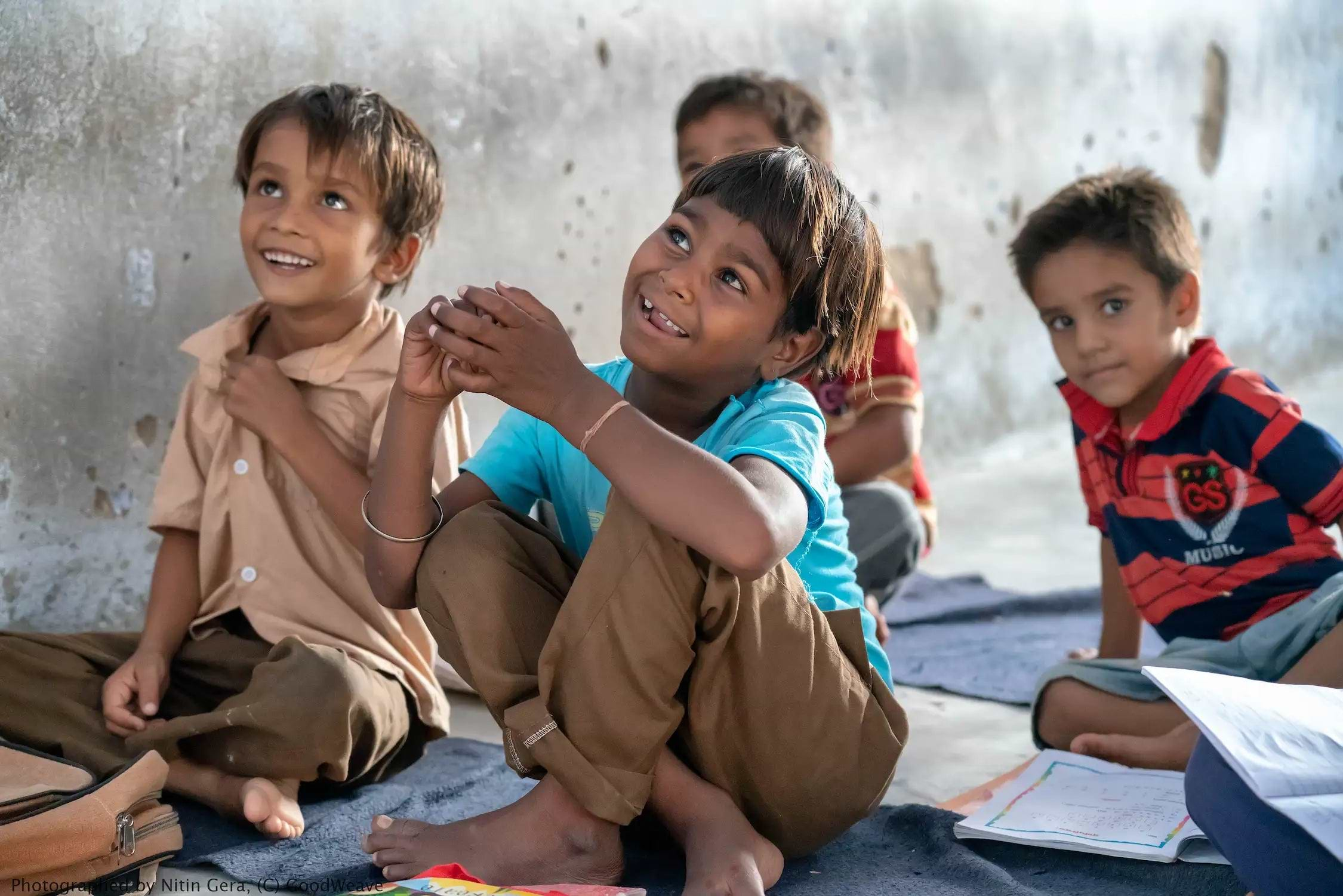
GoodWeave is an internationally recognised organisation working to end child, forced and bonded labour in global supply chains, including the handmade rug industry.
Its certification programme uses supply-chain monitoring and inspections to assess compliance with its standards.
GoodWeave also supports programmes that help address the underlying causes of child labour, including access to education and support for vulnerable communities.
For consumers, GoodWeave certification offers independent evidence of a brand's commitment to protecting workers and addressing exploitative labour practices.
For Rugs for Good, working with GoodWeave reflects a belief that the people who make our rugs deserve the same consideration as the people who bring them into their homes.

Care & Fair: supporting artisan communities
Care & Fair is an international rug industry initiative focused on improving conditions for workers and their families in rug-producing regions.
Its work includes promoting fair working conditions, preventing child labour and supporting education, healthcare and community welfare initiatives.
Member manufacturers are assessed against the organisation's Code of Conduct, which includes labour-related requirements.
Care & Fair is particularly relevant because ethical production shouldn't stop at the workshop door.
The long-term wellbeing of weaving communities matters, too.
Through our relationship with Care & Fair, Rugs for Good supports a broader commitment to responsible production and stronger artisan communities.

OEKO-TEX® STANDARD 100: testing for harmful substances
While GoodWeave and Care & Fair focus primarily on people and working conditions, OEKO-TEX STANDARD 100 addresses a different concern.
It tests textiles for harmful substances against defined safety criteria.
This can provide reassurance about the chemical safety of certified textile products.
However, OEKO-TEX STANDARD 100 does not, by itself, verify that workers were paid fairly or that a rug was produced without child labour.
It's an important distinction, and a reminder to look beyond a certification logo to understand what it actually covers.
Global Organic Textile Standard (GOTS): organic fibres and processing
GOTS is a textile certification standard covering products made with certified organic natural fibres.
It includes environmental and social requirements relating to textile processing and manufacturing.
For rugs made with eligible organic fibres, GOTS certification can provide additional evidence about sourcing and processing standards.
But organic materials and ethical labour practices are not interchangeable claims.
Both deserve consideration.
Why we believe independent verification matters
At Rugs for Good, we're an Australian social enterprise working with skilled artisan makers in India to create handcrafted rugs designed for everyday homes.
Our approach is built around three commitments: considered materials, responsible production and meaningful social impact.
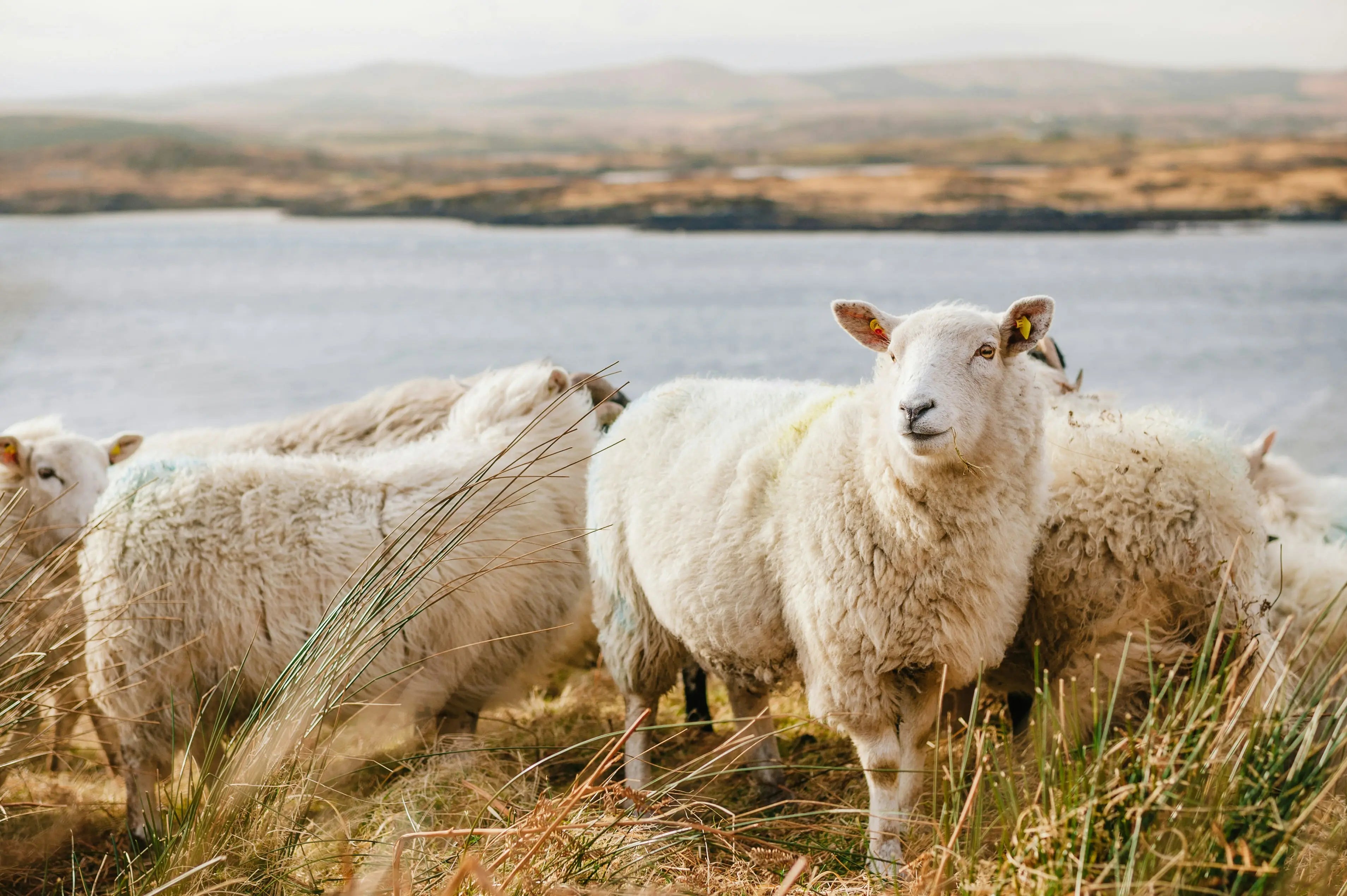
We prioritise natural fibres, including wool and jute, and work with traditional weaving communities whose skills have been developed over generations.
Our collections are supported by recognised ethical programmes including GoodWeave International and Care & Fair.
These relationships are important because we don't believe customers should simply have to take our word for it.
Independent oversight helps bring accountability to the manufacturing process and supports our commitment to protecting the people behind our products.
Beyond rug production, our social enterprise model also supports education initiatives for children in India, helping contribute to opportunities beyond the weaving industry.
We know that responsible production is an ongoing commitment, not a box to tick once.
And we believe being open about the work behind our products is just as important as the products themselves.
Five questions worth asking before buying your next rug
The next time you're shopping for a rug, look beyond the colour, texture and price tag.
1. What's it made from?
Look for clear information about the fibres used. Consider whether they're natural, renewable, recycled or synthetic, and whether the brand explains its material choices.
2. Who made it, and where?
A transparent brand should be able to share meaningful information about its manufacturing locations and production processes.
3. How are the makers treated?
Look for evidence of fair working conditions, protections against exploitative labour and ongoing relationships with manufacturing partners.
4. Is it designed to last?
Consider the quality of the materials, the construction method and the care required. A well-made rug that stays in your home for years can help reduce the need for frequent replacement.
5. Can the brand back up its claims?
Look for recognised independent certifications, clearly explained standards and evidence that applies to the product you're considering.
Because a brand's ethical credentials should be more than a collection of reassuring words.
Beautiful rugs. Nothing to hide.
We don't believe that buying a rug should require an investigation.
But we do believe that customers deserve to understand what they're bringing into their homes, and the impact their purchase can have beyond them.
That's why we're committed to being open about our materials, our makers and the organisations we work with.
Not because we believe any business has all the answers.
But because meaningful progress starts with asking the right questions, being accountable for the answers and continuing to do better.
Some things are simply too important to sweep under the rug.
And for us, the people behind our products will always be one of them.
Further reading
For anyone interested in learning more about ethical rug production and independent certification, these organisations provide useful information:
GoodWeave International
Care & Fair
OEKO-TEX
Global Organic Textile Standard (GOTS)
International Labour Organization
Australian Competition & Consumer Commission, environmental and sustainability claims guidance
Shop our Ethical Rug Collection


